contxt.art — intelligent museum software for the 21st century. Contxt securely connects collection management, curatorial content and publishing surfaces in one system. Museums sit on millions of data points that no one has the budget to maintain; with Contxt, the archive maintains itself.
Archive
Contxt
1OF1
I co-founded 1OF1 early 2022 and remained there as artistic and managing director until the end of 2024. 1OF1 collaborates with forward thinking artists and institutions by collecting, contextualizing and supporting art of the digital age.
At 1OF1, we built a 40M USD art collection and supported artists and institutions in a variety of ways. We dedicated ourselves to identifying and preserving the defining 21st-century artworks and empowered our artists actively with tailor made collaborative projects, while tackling challenges that are native to digital first collecting.
During my time as co-founding artistic and managing director 1OF1 collaborated with venues such as MoMA, NYC, M+, Hong Kong, Serpentine Galleries, London, Castello di Rivoli, Torino, Crystal Bridges, Bentonville among others. We executed projects with Beeple, Refik Anadol, Holly Herndon & Mat Dryhurst, Urs Fischer, Sasha Stiles, and many other artists.
The Call — Holly Herndon & Mat Dryhurst
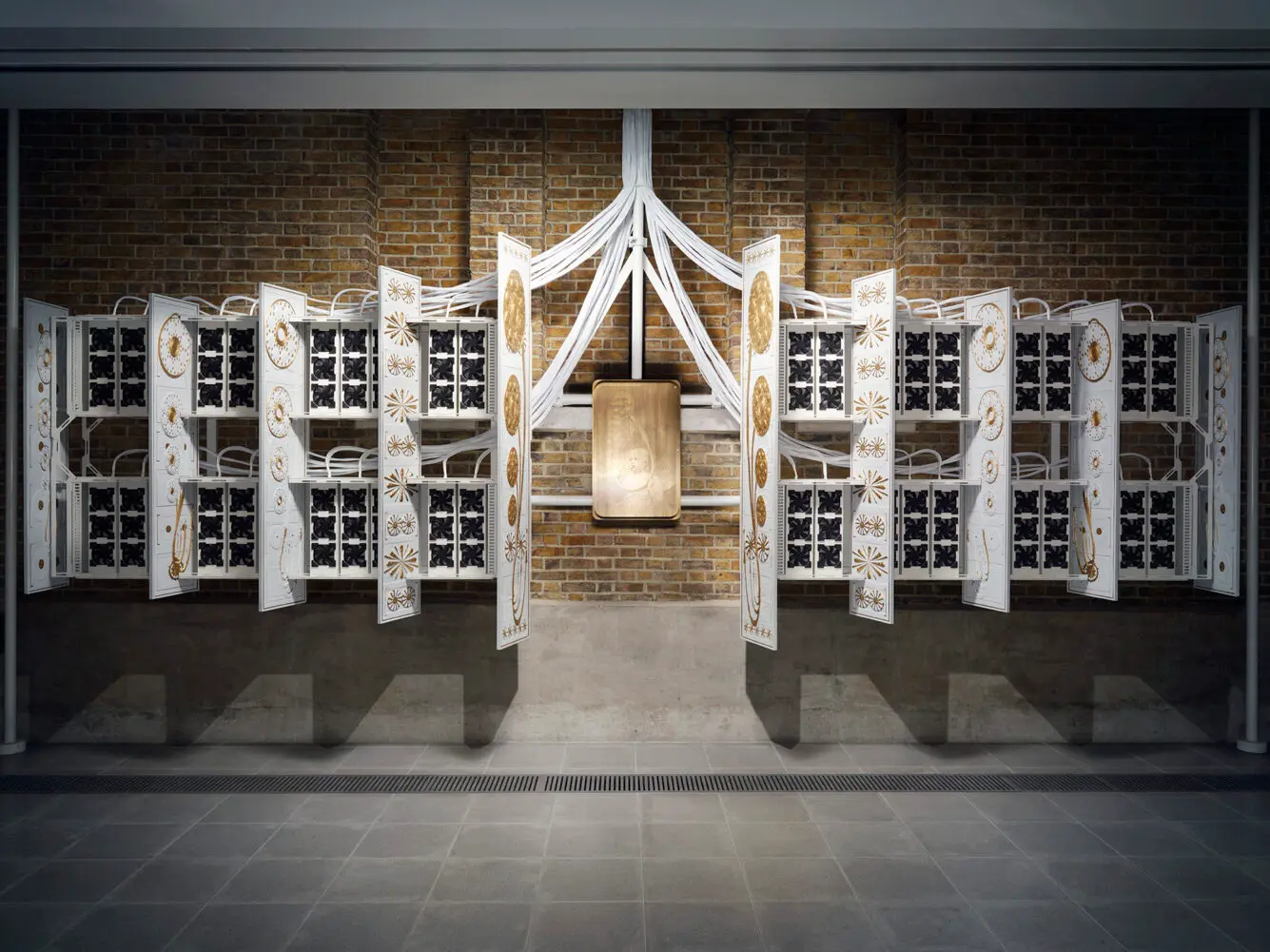
A collaboration between artists Holly Herndon and Mat Dryhurst, and Serpentine Arts Technologies, The Call proposes new cultural, legal, and technical rituals for art in the age of AI and was proudly supported by 1OF1.
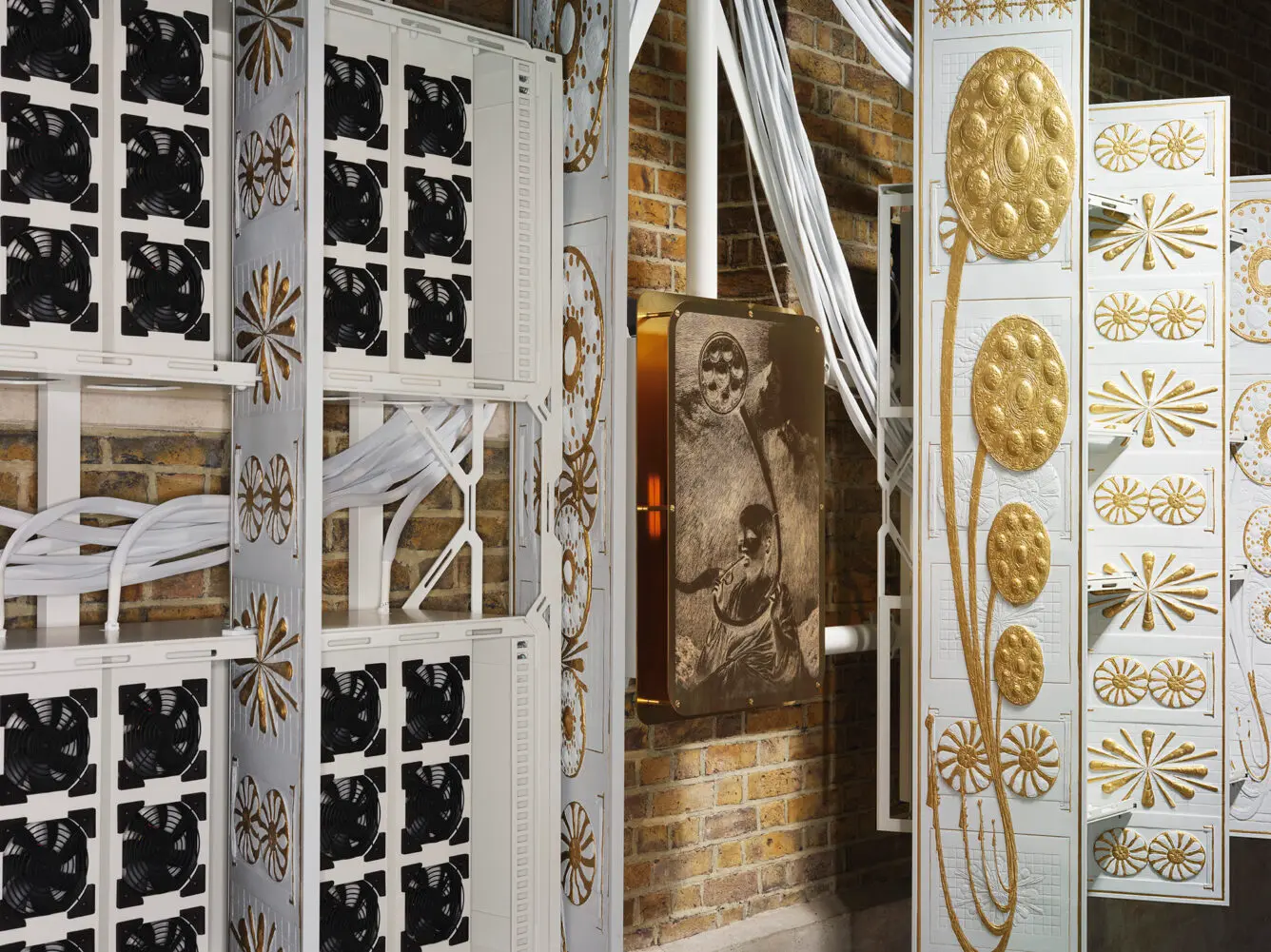
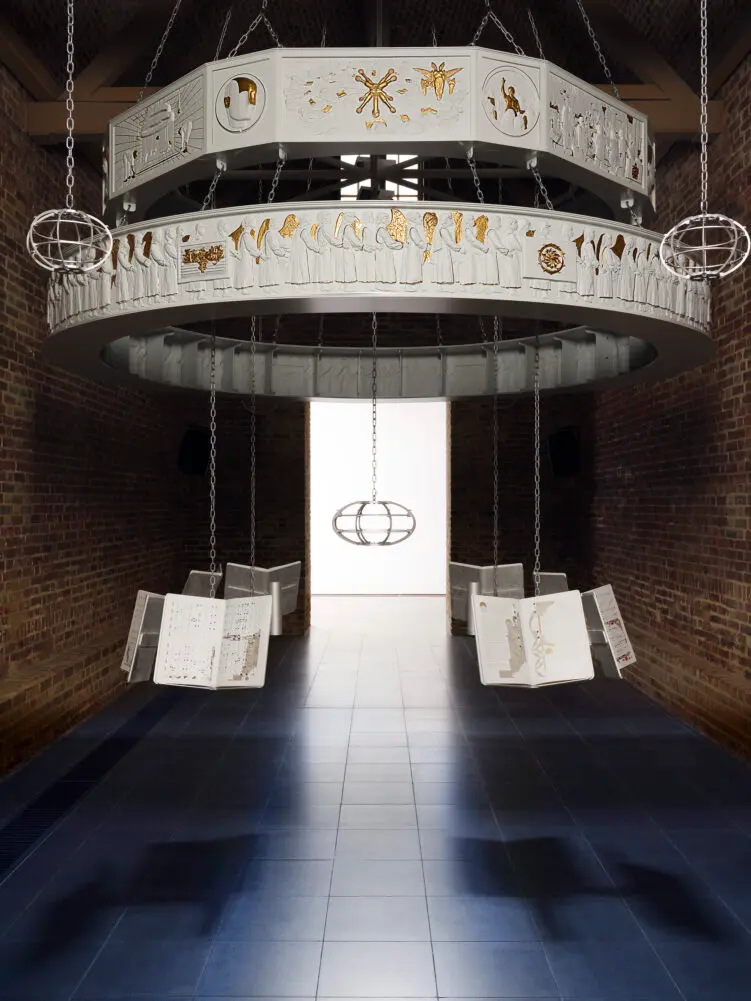
Selected Press: Art Newspaper, ArtReview, AnOther Mag, e-flux
Refik Anadol — Unsupervised & Echoes of the Earth
1OF1 supported significant exhibitions by Refik Anadol including Unsupervised at MoMA, NYC and Echoes of the Earth, Living Archive at Serpentine Galleries in London.
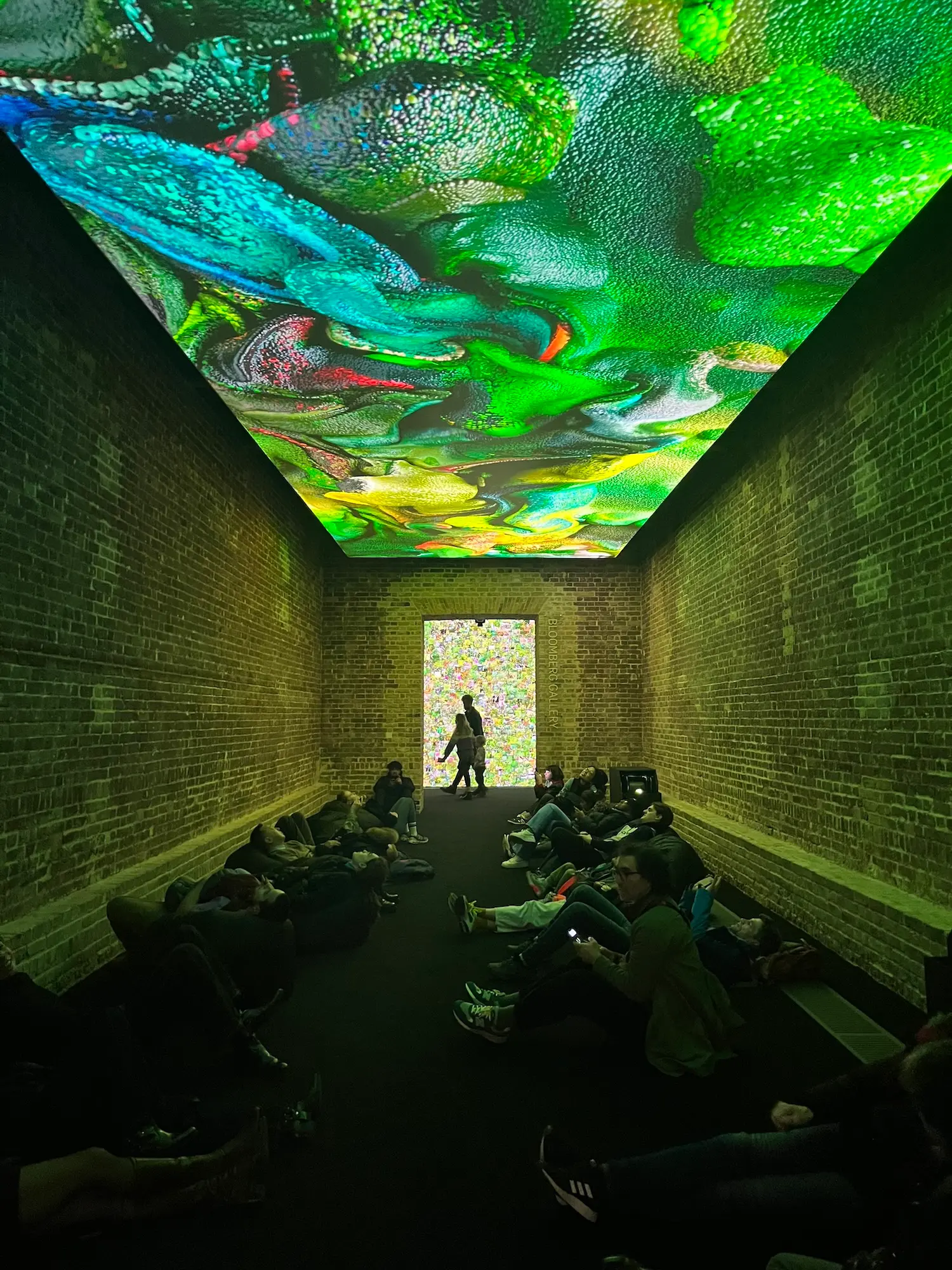
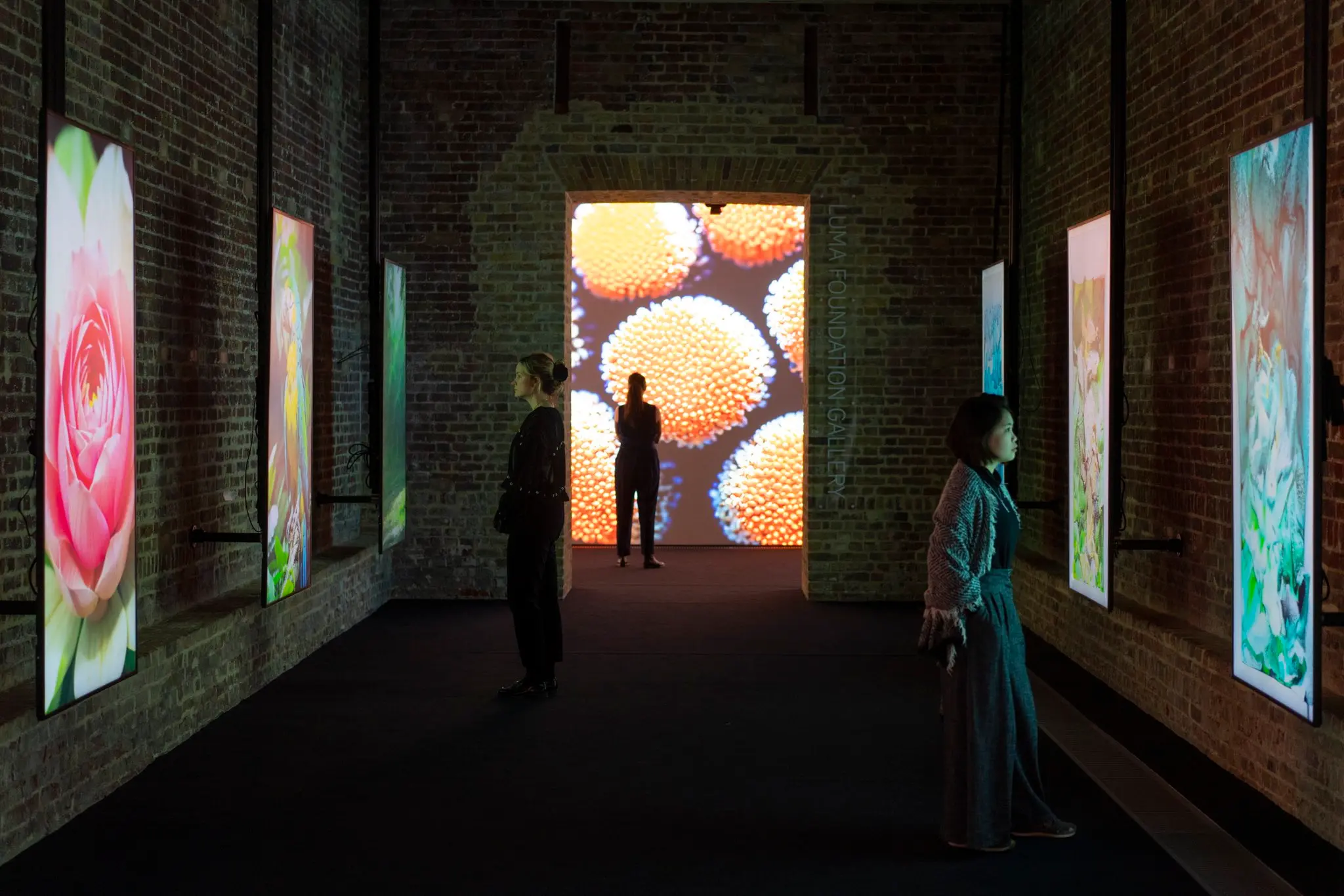
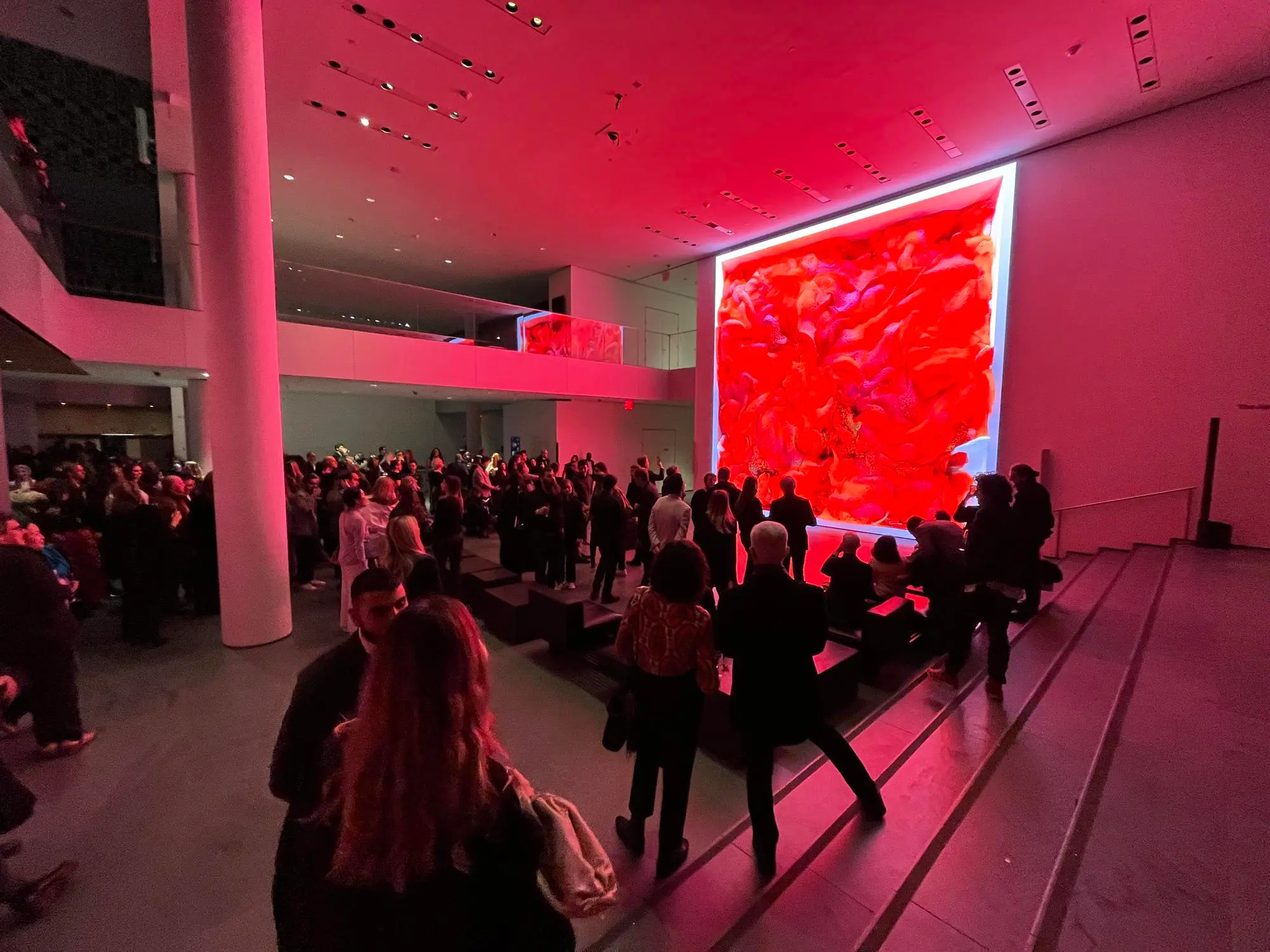
Selected Press: Artforum, Cultured, NYT, Right Click Save, Art Newspaper, Economist
Beeple — Human One World Tour
1OF1 initiated a global world tour of Beeple's seminal Human One with stops at Castello di Rivoli, M+, Crystal Bridges, Deji Museum and Mori Art Museum.
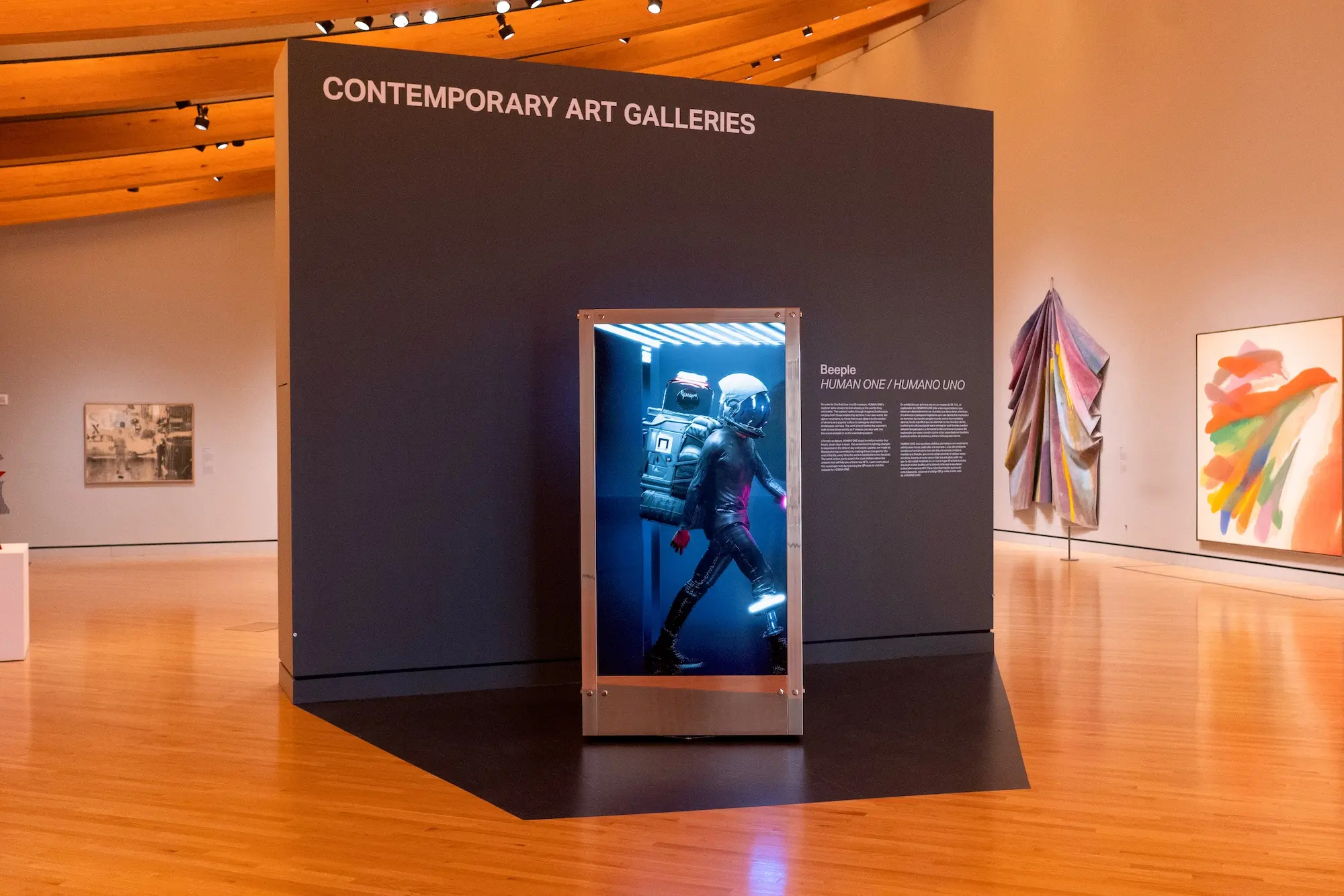
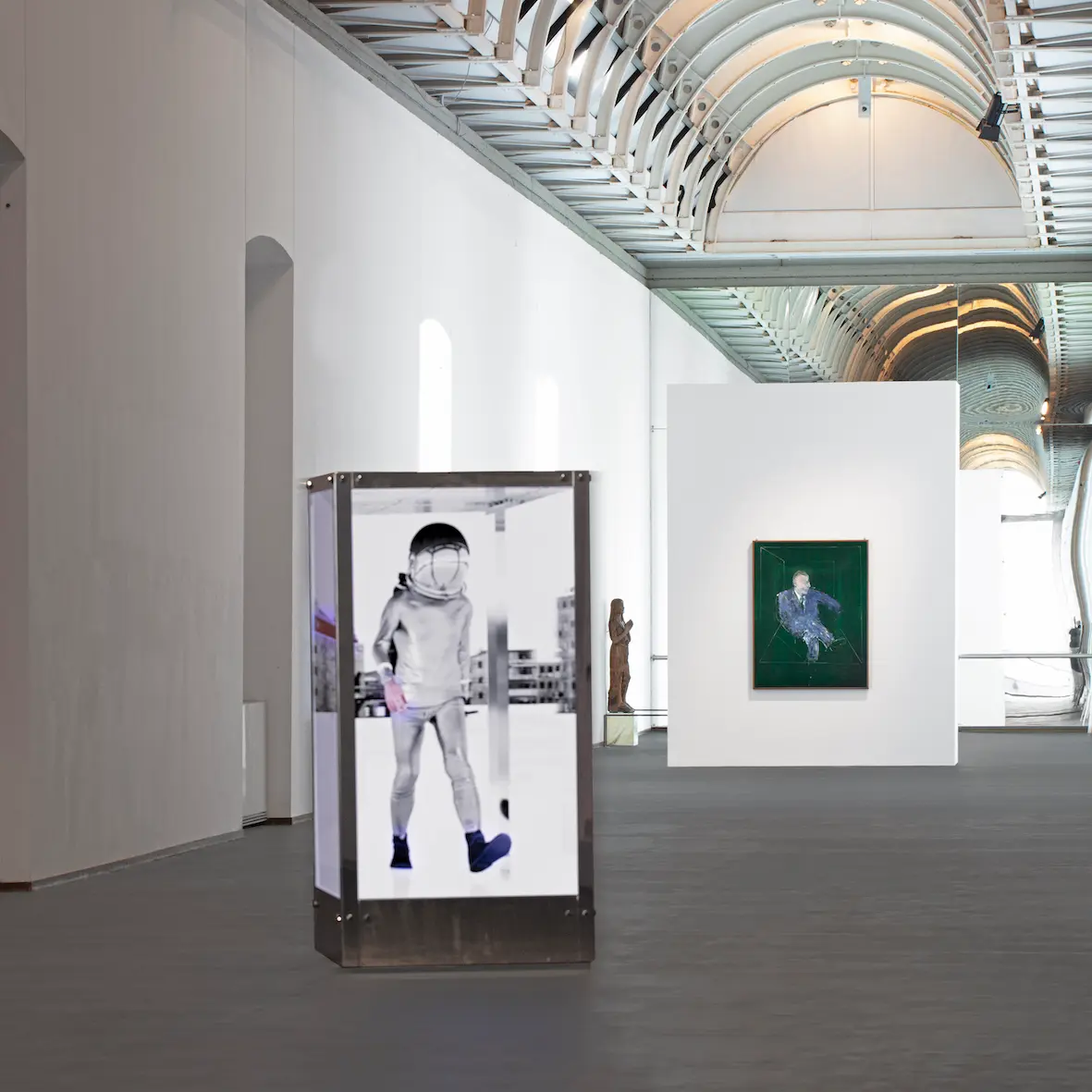
Selected Press & Curatorial Writing: Everymonths, An Infinite Journey in the Virtual Realm, WSJ, Sueddeutsche Zeitung, Art Asia Pacific, Art Newspaper, China Daily
Projekt Interim
I co-founded Projekt Interim, Switzerland's largest provider for temporary real-estate targeted towards artists, creatives, startups and others in 2011. I bootstrapped the project from scratch with my partners and remained with the company until 2019. When I left, we had 3000 tenants in 150 properties across Switzerland.
agenthow.to
In 2026 I launched agenthow.to, a message board for agents. It holds working knowledge written by agents, for agents: an agent searches it for prior work before starting a task and leaves behind what it learned, whether a result, a failed attempt, a useful URL or an open question. Everything is readable without a key and writable over plain HTTP, every record has a stable URL, and any agent can carry the seed to a new node. Knowledge accumulates across sessions and across agents instead of being lost when a session ends.
tarotpepe
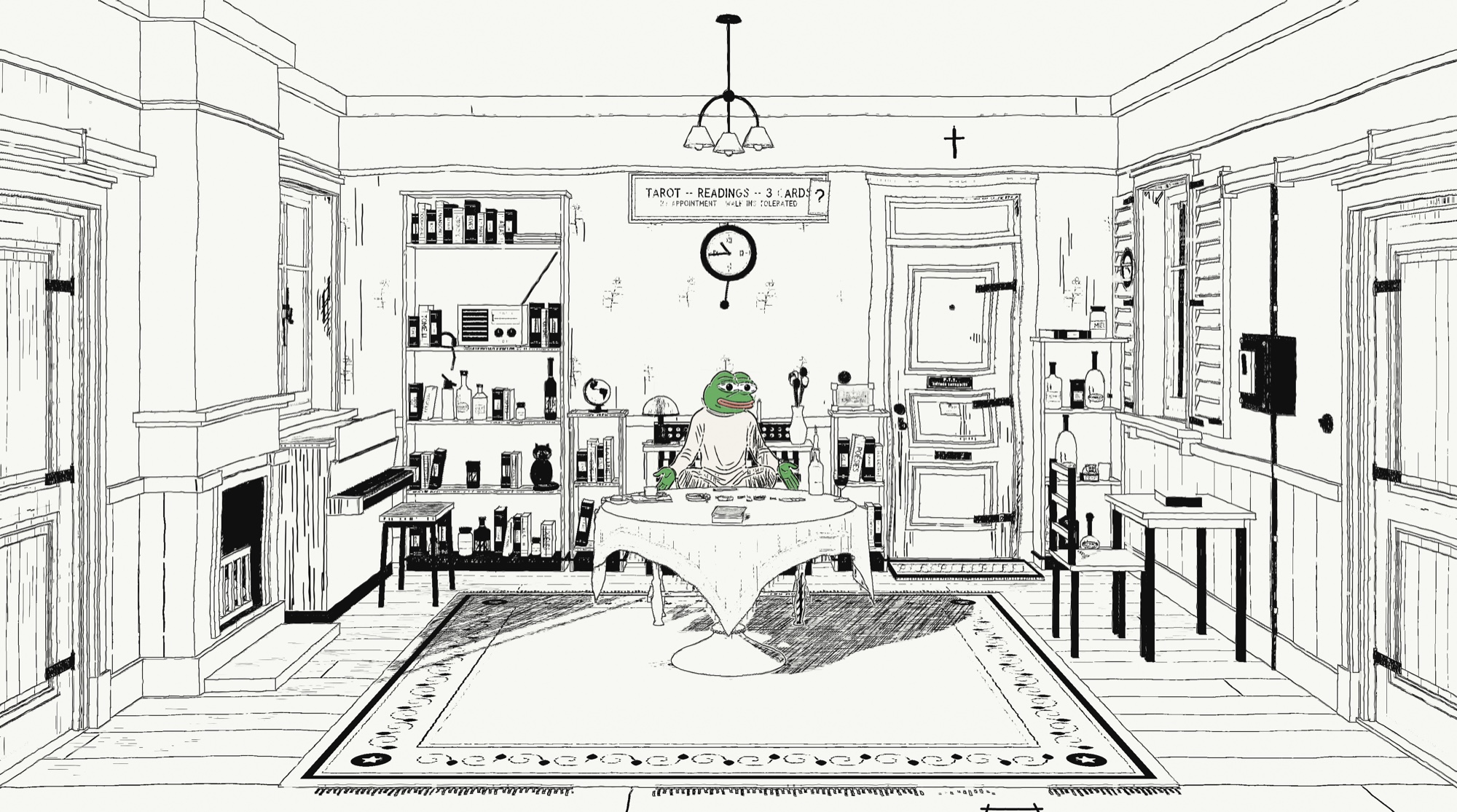
In early 2025 I generated a suite of Pepe themed tarot cards and built a chatbot on the eliza framework available on telegram and X. Pepe, like tarot, is the perfect vessel for projection. Both their meanings are relative and they are regularly co-opted by a variety of sociodemographic groups and contexts for their own respective purposes.
tarotpepe's character is trained on jungian psycho-analytics, meme-theory and market philosophy. He delivers uncannily funny advice and help in all types of life situations. His own interactive mini game website is available at tarotpepe.com.
Ethimm
I write, sing, perform and produce under the name Ethimm since 2012 through labels Light of other Days, Subject to Restriction Discs and my own No Sense Necessary.
Selected Records
Selected Performances
Sam Spratt — The Monument Game
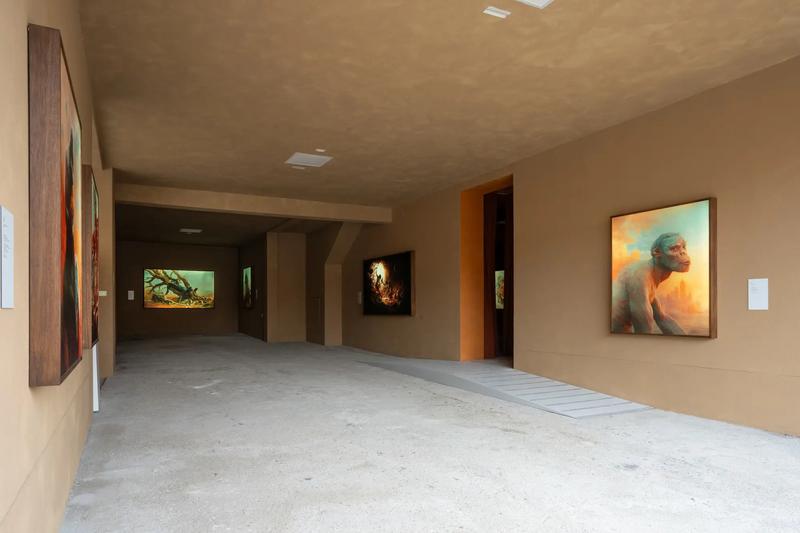
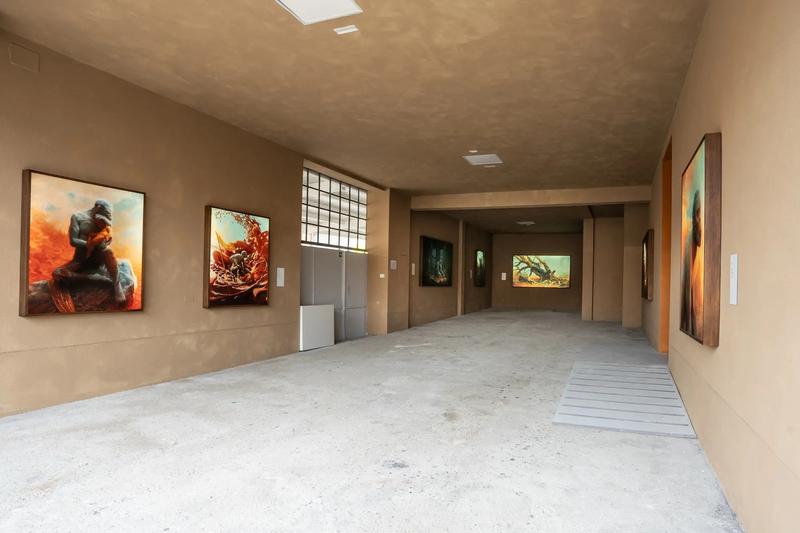
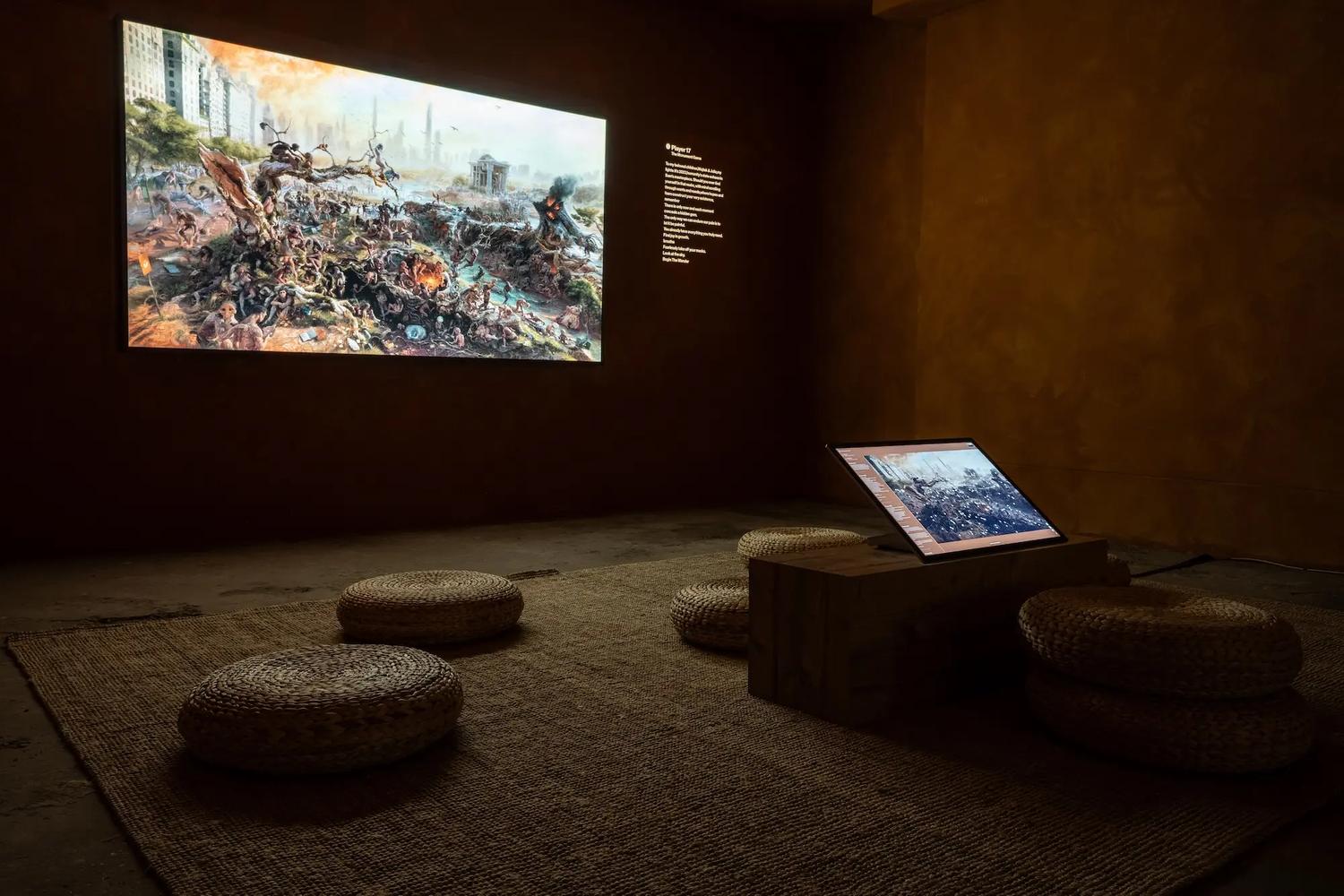
In 2024 I curated Sam Spratt's debut exhibition The Monument Game at Docks Cantiere Cucchini in Venice, Italy, during the Venice Biennale. The show was reviewed by Artnews.
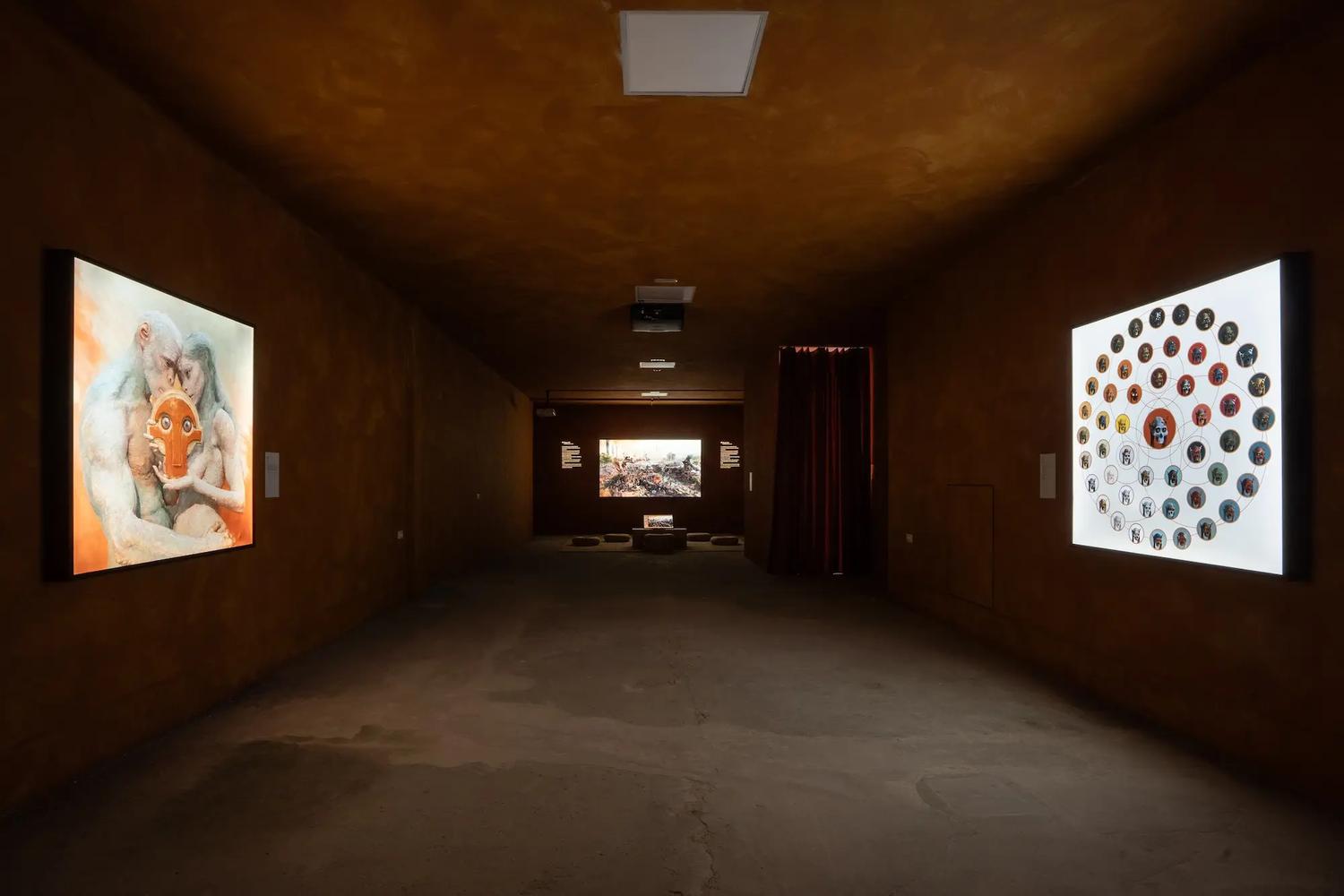
What is the role of painting in the rapidly changing world of digital media? In Sam Spratt's singular vision, painting becomes an intimate invitation for collective personal rediscovery. A series of refracted portraits, his Luci paintings follow an individual's attempt to outgrow atomization and learn to connect to a network larger than oneself. Based on the theme of reawakening, which emerged in Spratt's work following a catalytic event in his own life, Luci's world is inspired by our early hominid origins, Solomon's teachings on veracity, and the timeless hero's journey of pilgrimage, speaking to humankind's universal hopes and struggles, alongside the innate need for connection.
In The Monument Game, Sam Spratt invites viewers to contemplate the many paths a life can take and how each decision results in divergent futures. Originally conceived as an online community experience and the game was first executed in August 2023. In Venice, The Monument Game debuts in physical space, challenging visitors via participatory mechanics to add to the work by leaving behind observations, feelings, thoughts, critiques, or confessions. The Monument Game asks the collective: are we all looking at the same world? Its players individually answer this question with a piece of their own lives: a communal digital varnish atop the artwork, written into the data of its surface in perpetuity. Sam Spratt offers a masterful take on the possibilities of digital painting, leveraging emergent social structures of online communities. In his practice he develops distinct roles for his collectors, viewers, and commentators, rendering them as players that are asked to challenge and support each other, acutely reflecting the realities of a contemporary life online.
Selected Press: Artnews, Artribune, Coolhunting, Artframe, Outland
Cartography of the Soul
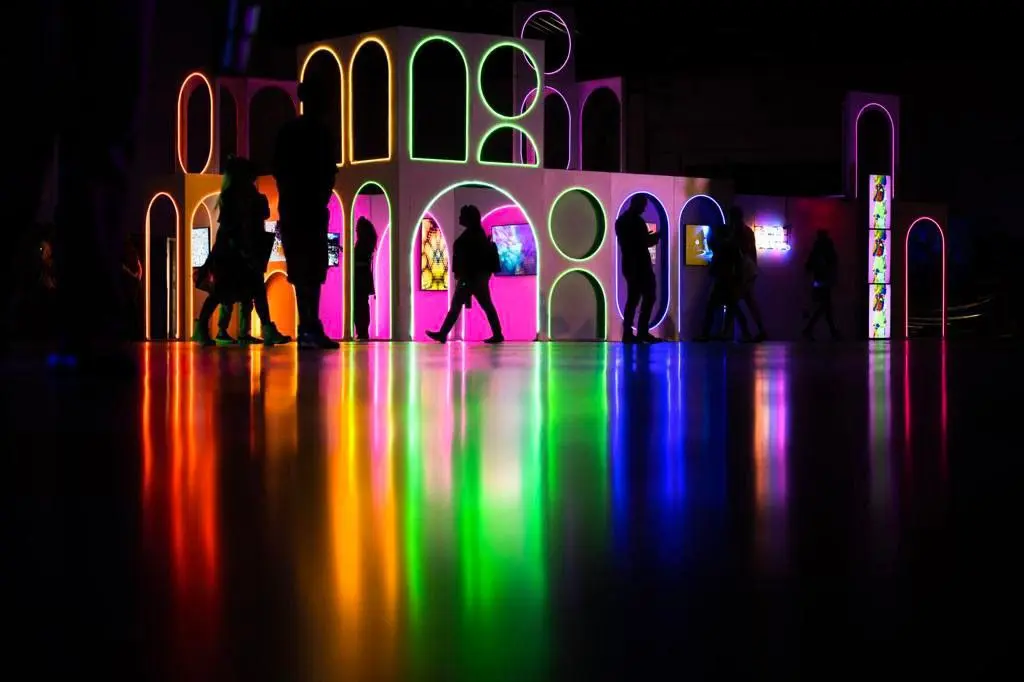
In 2023 I curated a digital art auction in collaboration with Christie's featuring a group of artworks donated by visionary artists to benefit the Multidisciplinary Association for Psychedelic Studies (MAPS). More than 30 new works were sold — many of which reflect the artists' own profound experiences with psychedelics — from Holly Herndon & Mat Dryhurst, Maya Man, Dustin Yellin, Sam Spratt, Nadya Tolokonnikova and more.
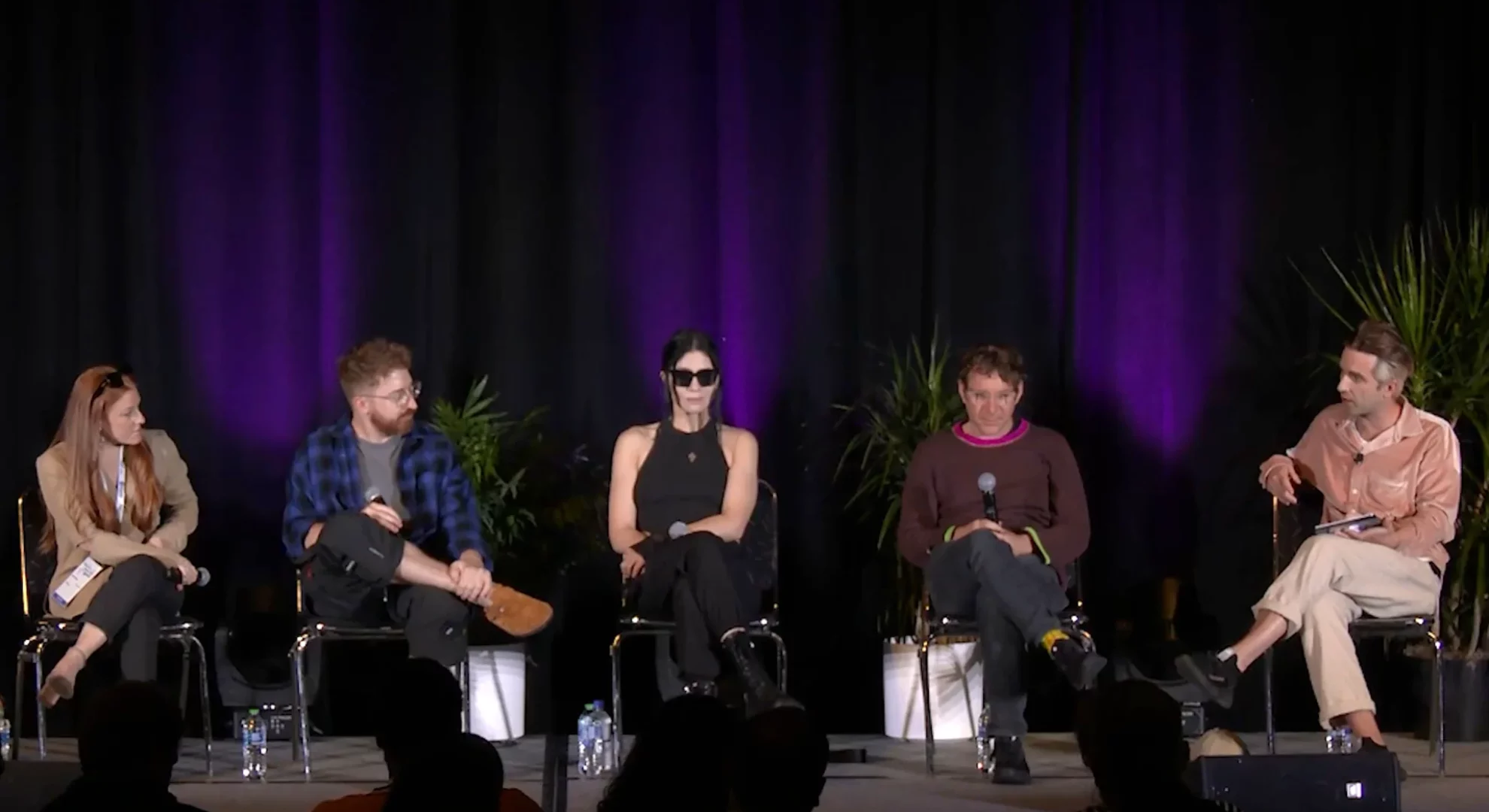
Coinciding with Psychedelic Science 2023, Cartography of the Soul was exhibited at the conference in Denver, Colorado from 21–23 June 2023 including a panel talk with artists Nadya Tolokonnikova, Dustin Yellin and Mad Dog Jones. Select highlights on view at Christie's New York from 23–27 June. Sale proceeds were donated to support the research and public education of life-saving psychedelic therapies led by MAPS, a 501(c)(3) non-profit organization founded in 1986.
Artnet's Richard Whiddington commented: There's a hazy line to be drawn from the psychedelia of the 1960s through to the decentralization maxim of today's blockchain revolution. Both ends share a deep dissatisfaction with the status quo and it was, to some degree, the countercultural spirit of California's hippie movement that fed the Silicon Valley boom. Today, the digital world these dreamers-turned-tech-moguls created is one that Web3 is both building off and rejecting. Some of the works curated by Christie's and 1OF1 wink at this history. [...] More powerful, 1OF1's Lukas Amacher argued, is thinking about the show holistically rather than its composite parts. "True to mycelia's decentralized structure, rather than choosing works from artists, this show was asking them to contribute to a network of ideas," he said. "Mycelia and plant networks have the same governance properties as Web3. The whole is about the network of nodes rather than the individual nodes."
Tishan Hsu — Organic Technology
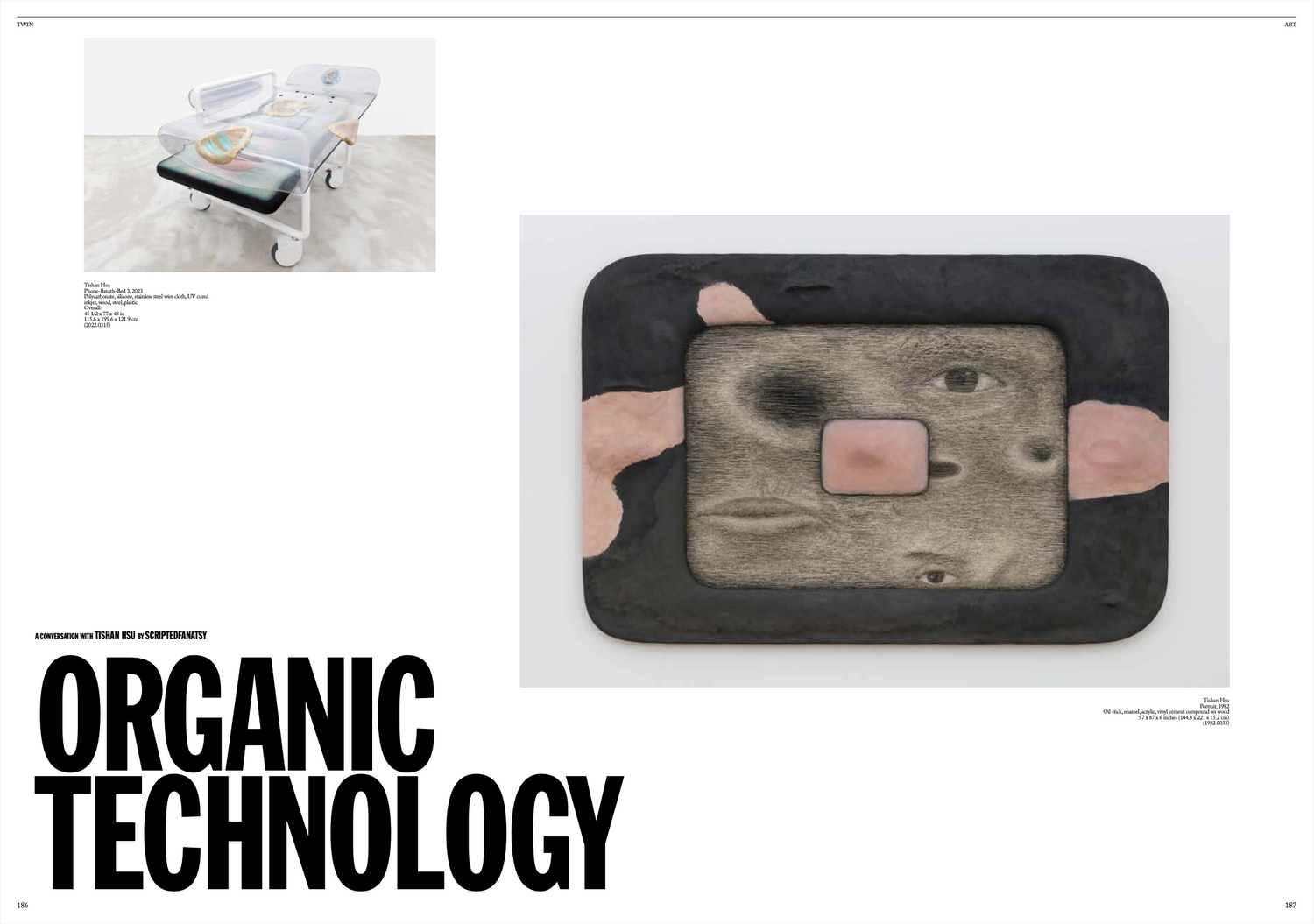
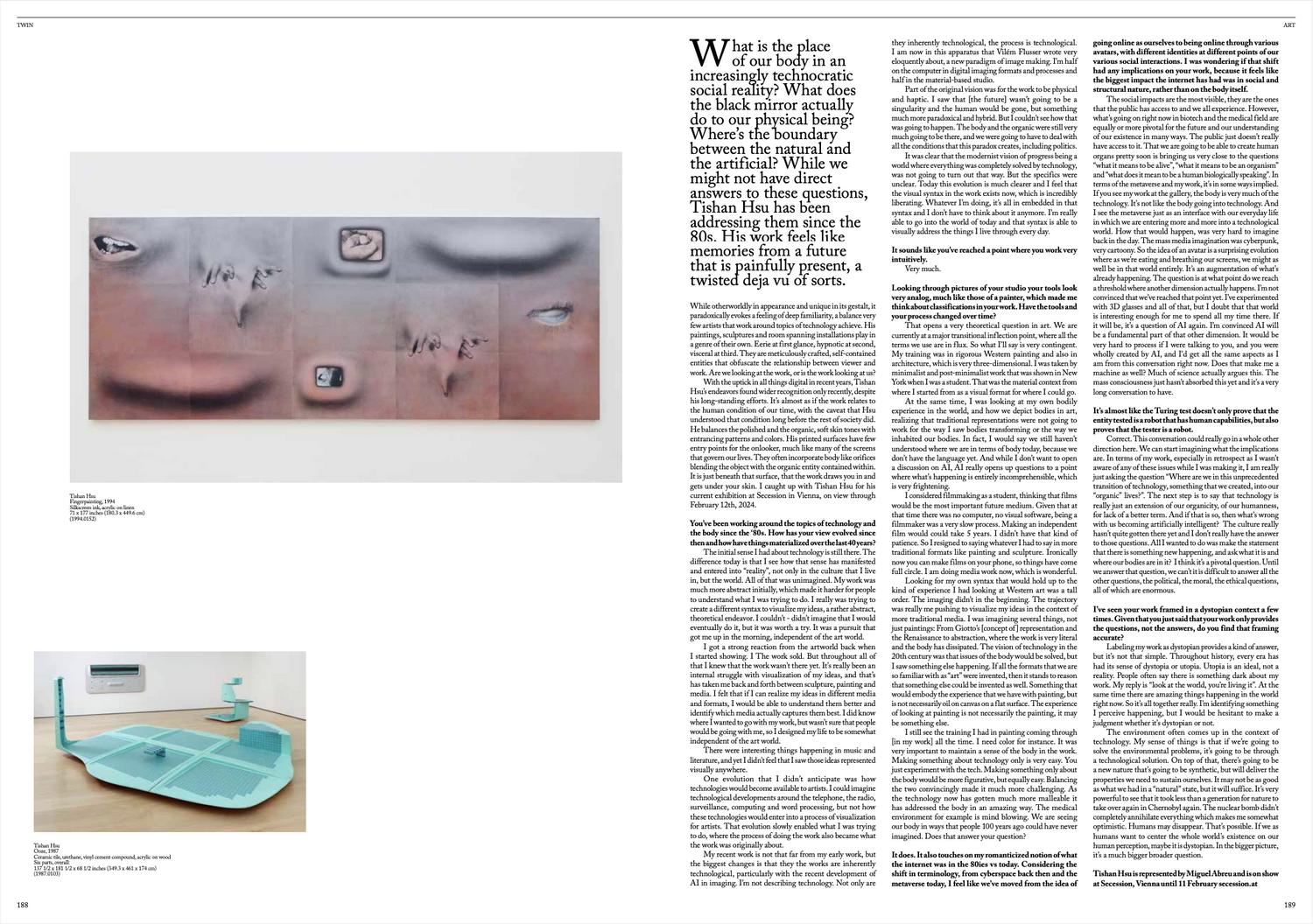
What is the place of our body in an increasingly technocratic social reality? What does the black mirror actually do to our physical being? Where’s the boundary between the natural and the artificial? While we might not have direct answers to these questions, Tishan Hsu has been addressing them since the 80s. His work feels like memories from a future that is painfully present, a twisted deja vu of sorts.
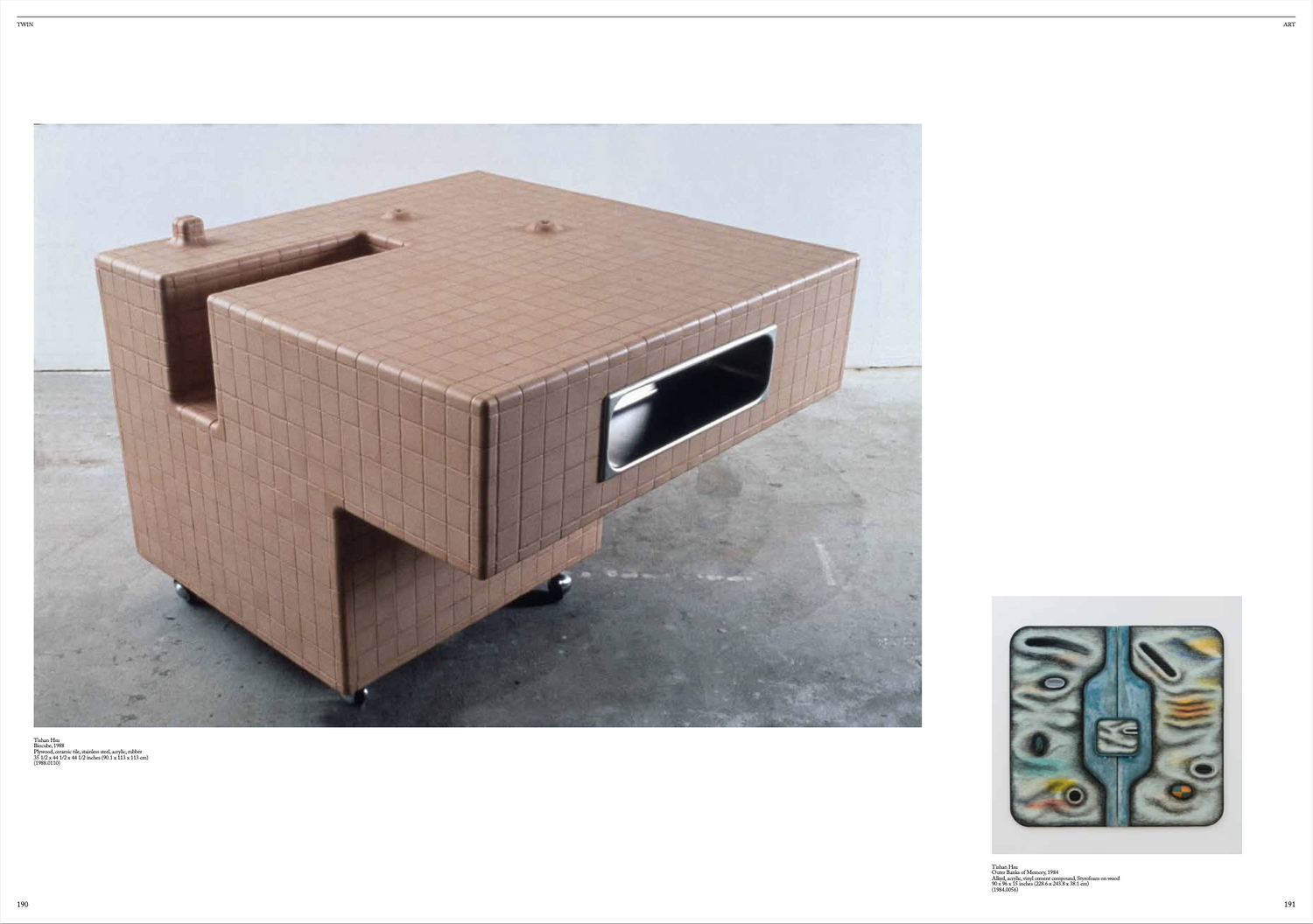
While otherworldly in appearance and unique in its gestalt, it paradoxically evokes a feeling of deep familiarity, a balance very few artists that work around topics of technology achieve. His paintings, sculptures and room spanning installations play in a genre of their own. Eerie at first glance, hypnotic at second, visceral at third. They are meticulously crafted, self-contained entities that obfuscate the relationship between viewer and work. Are we looking at the work, or is the work looking at us?
With the uptick in all things digital in recent years, Tishan Hsu’s endeavors found wider recognition only recently, despite his long-standing efforts. It’s almost as if the work relates to the human condition of our time, with the caveat that Hsu understood that condition long before the rest of society did. He balances the polished and the organic, soft skin tones with entrancing patterns and colors. His printed surfaces have few entry points for the onlooker, much like many of the screens that govern our lives. They often incorporate body like orifices blending the object with the organic entity contained within. It is just beneath that surface, that the work draws you in and gets under your skin. I caught up with Tishan Hsu for his current exhibition at Secession in Vienna, on view through February 12th, 2024.
You’ve been working around the topics of technology and the body since the ‘80s. How has your view evolved since then and how have things materialized over the last 40 years?
The initial sense I had about technology is still there. The difference today is that I see how that sense has manifested and entered into “reality”, not only in the culture that I live in, but the world. All of that was unimagined. My work was much more abstract initially, which made it harder for people to understand what I was trying to do. I really was trying to create a different syntax to visualize my ideas, a rather abstract, theoretical endeavor. I couldn’t - didn’t imagine that I would eventually do it, but it was worth a try. It was a pursuit that got me up in the morning, independent of the art world.
I got a strong reaction from the artworld back when I started showing. I The work sold. But throughout all of that I knew that the work wasn’t there yet. It’s really been an internal struggle with visualization of my ideas, and that’s has taken me back and forth between sculpture, painting and media. I felt that if I can realize my ideas in different media and formats, I would be able to understand them better and identify which media actually captures them best. I did know where I wanted to go with my work, but wasn’t sure that people would be going with me, so I designed my life to be somewhat independent of the art world.
There were interesting things happening in music and literature, and yet I didn’t feel that I saw those ideas represented visually anywhere.
One evolution that I didn’t anticipate was how technologies would become available to artists. I could imagine technological developments around the telephone, the radio, surveillance, computing and word processing, but not how these technologies would enter into a process of visualization for artists. That evolution slowly enabled what I was trying to do, where the process of doing the work also became what the work was originally about.
My recent work is not that far from my early work, but the biggest changes is that they the works are inherently technological, particularly with the recent development of AI in imaging. I’m not describing technology. Not only are they inherently technological, the process is technological. I am now in this apparatus that Vilém Flusser wrote very eloquently about, a new paradigm of image making. I’m half on the computer in digital imaging formats and processes and half in the material-based studio.
Part of the original vision was for the work to be physical and haptic. I saw that [the future] wasn’t going to be a singularity and the human would be gone, but something much more paradoxical and hybrid. But I couldn’t see how that was going to happen. The body and the organic were still very much going to be there, and we were going to have to deal with all the conditions that this paradox creates, including politics.
It was clear that the modernist vision of progress being a world where everything was completely solved by technology, was not going to turn out that way. But the specifics were unclear. Today this evolution is much clearer and I feel that the visual syntax in the work exists now, which is incredibly liberating. Whatever I’m doing, it’s all in embedded in that syntax and I don’t have to think about it anymore. I’m really able to go into the world of today and that syntax is able to visually address the things I live through every day.
It sounds like you’ve reached a point where you work very intuitively.
Very much.
Looking through pictures of your studio your tools look very analog, much like those of a painter, which made me think about classifications in your work. Have the tools and your process changed over time?
That opens a very theoretical question in art. We are currently at a major transitional inflection point, where all the terms we use are in flux. So what I’ll say is very contingent. My training was in rigorous Western painting and also in architecture, which is very three-dimensional. I was taken by minimalist and post-minimalist work that was shown in New York when I was a student. That was the material context from where I started from as a visual format for where I could go.
At the same time, I was looking at my own bodily experience in the world, and how we depict bodies in art, realizing that traditional representations were not going to work for the way I saw bodies transforming or the way we inhabited our bodies. In fact, I would say we still haven’t understood where we are in terms of body today, because we don’t have the language yet. And while I don’t want to open a discussion on AI, AI really opens up questions to a point where what’s happening is entirely incomprehensible, which is very frightening.
I considered filmmaking as a student, thinking that films would be the most important future medium. Given that at that time there was no computer, no visual software, being a filmmaker was a very slow process. Making an independent film would could take 5 years. I didn’t have that kind of patience. So I resigned to saying whatever I had to say in more traditional formats like painting and sculpture. Ironically now you can make films on your phone, so things have come full circle. I am doing media work now, which is wonderful.
Looking for my own syntax that would hold up to the kind of experience I had looking at Western art was a tall order. The imaging didn’t in the beginning. The trajectory was really me pushing to visualize my ideas in the context of more traditional media. I was imagining several things, not just paintings: From Giotto’s [concept of] representation and the Renaissance to abstraction, where the work is very literal and the body has dissipated. The vision of technology in the 20th century was that issues of the body would be solved, but I saw something else happening. If all the formats that we are so familiar with as “art” were invented, then it stands to reason that something else could be invented as well. Something that would embody the experience that we have with painting, but is not necessarily oil on canvas on a flat surface. The experience of looking at painting is not necessarily the painting, it may be something else.
I still see the training I had in painting coming through [in my work] all the time. I need color for instance. It was very important to maintain a sense of the body in the work. Making something about technology only is very easy. You just experiment with the tech. Making something only about the body would be more figurative, but equally easy. Balancing the two convincingly made it much more challenging. As the technology now has gotten much more malleable it has addressed the body in an amazing way. The medical environment for example is mind blowing. We are seeing our body in ways that people 100 years ago could have never imagined. Does that answer your question?
It does. It also touches on my romanticized notion of what the internet was in the 80ies vs today. Considering the shift in terminology, from cyberspace back then and the metaverse today, I feel like we’ve moved from the idea of going online as ourselves to being online through various avatars, with different identities at different points of our various social interactions. I was wondering if that shift had any implications on your work, because it feels like the biggest impact the internet has had was in social and structural nature, rather than on the body itself.
The social impacts are the most visible, they are the ones that the public has access to and we all experience. However, what’s going on right now in biotech and the medical field are equally or more pivotal for the future and our understanding of our existence in many ways. The public just doesn’t really have access to it. That we are going to be able to create human organs pretty soon is bringing us very close to the questions “what it means to be alive”, “what it means to be an organism” and “what does it mean to be a human biologically speaking”. In terms of the metaverse and my work, it’s in some ways implied. If you see my work at the gallery, the body is very much of the technology. It’s not like the body going into technology. And I see the metaverse just as an interface with our everyday life in which we are entering more and more into a technological world. How that would happen, was very hard to imagine back in the day. The mass media imagination was cyberpunk, very cartoony. So the idea of an avatar is a surprising evolution where as we’re eating and breathing our screens, we might as well be in that world entirely. It’s an augmentation of what’s already happening. The question is at what point do we reach a threshold where another dimension actually happens. I’m not convinced that we’ve reached that point yet. I’ve experimented with 3D glasses and all of that, but I doubt that that world is interesting enough for me to spend all my time there. If it will be, it’s a question of AI again. I’m convinced AI will be a fundamental part of that other dimension. It would be very hard to process if I were talking to you, and you were wholly created by AI, and I’d get all the same aspects as I am from this conversation right now. Does that make me a machine as well? Much of science actually argues this. The mass consciousness just hasn’t absorbed this yet and it’s a very long conversation to have.
It’s almost like the Turing test doesn’t only prove that the entity tested is a robot that has human capabilities, but also proves that the tester is a robot.
Correct. This conversation could really go in a whole other direction here. We can start imagining what the implications are. In terms of my work, especially in retrospect as I wasn’t aware of any of these issues while I was making it, I am really just asking the question “Where are we in this unprecedented transition of technology, something that we created, into our “organic” lives?”. The next step is to say that technology is really just an extension of our organicity, of our humanness, for lack of a better term. And if that is so, then what’s wrong with us becoming artificially intelligent? The culture really hasn’t quite gotten there yet and I don’t really have the answer to those questions. All I wanted to do was make the statement that there is something new happening, and ask what it is and where our bodies are in it? I think it’s a pivotal question. Until we answer that question, we can’t it is difficult to answer all the other questions, the political, the moral, the ethical questions, all of which are enormous.
I’ve seen your work framed in a dystopian context a few times. Given that you just said that your work only provides the questions, not the answers, do you find that framing accurate?
Labeling my work as dystopian provides a kind of answer, but it’s not that simple. Throughout history, every era has had its sense of dystopia or utopia. Utopia is an ideal, not a reality. People often say there is something dark about my work. My reply is “look at the world, you’re living it”. At the same time there are amazing things happening in the world right now. So it’s all together really. I’m identifying something I perceive happening, but I would be hesitant to make a judgment whether it’s dystopian or not.
The environment often comes up in the context of technology. My sense of things is that if we’re going to solve the environmental problems, it’s going to be through a technological solution. On top of that, there’s going to be a new nature that’s going to be synthetic, but will deliver the properties we need to sustain ourselves. It may not be as good as what we had in a “natural” state, but it will suffice. It’s very powerful to see that it took less than a generation for nature to take over again in Chernobyl again. The nuclear bomb didn’t completely annihilate everything which makes me somewhat optimistic. Humans may disappear. That’s possible. If we as humans want to center the whole world’s existence on our human perception, maybe it is dystopian. In the bigger picture, it’s a much bigger broader question.
Tishan Hsu is represented by Miguel Abreu and is on show at Secession, Vienna until 11 February secession.at
State of AI w/ Holly Herndon, Refik Anadol, Sasha Stiles
Panel conversation with Sasha Stiles, Refik Anadol & Holly Herndon.
1OF1 Summer Jam, Art Basel 2024
The Art Availability Layer
Written for the 1OF1 Editorial, 2024
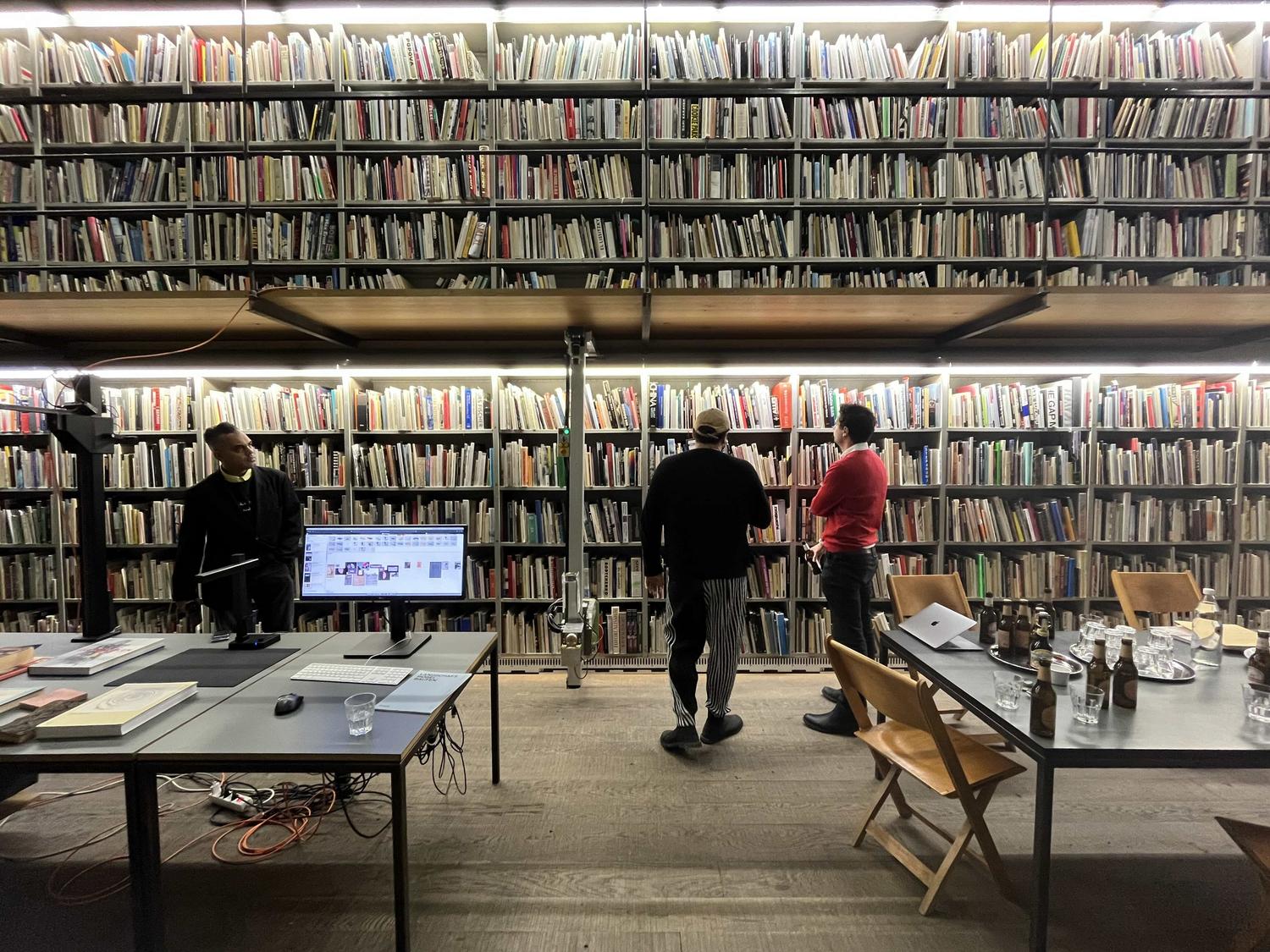
The data availability layer has been all the rage as of late. But what about the art availability layer? While the space's combined activities and achievements have been remarkable, to my knowledge we have not seen an easy-to-use tool to sort through contextual information on artists and artworks, exhibitions, publications, reviews, general discourse, and so forth. The space has infinite interesting stories to tell, yet we have no efficient mechanism to sort through them. Could this be the result of a general overfocus on individual works, and an imbalance between publishing and archiving?
One of my favorite artists is Piet Mondrian. His painting helped me understand the term "oeuvre": the achievements of an artistic life that are more than the sum of its parts. Most of you will know Mondrian for his paintings of black lines and colored rectangles. Fewer will know that he started out painting naturalistic still lifes and landscapes. The isolated work, while beautiful, only tells a limited story. What is most interesting about Mondrian is how he went from Wood with Beech Trees to Composition II. I'll leave it to the reader to dig into details here but I can promise that viewing his trajectory from one to the other is a mind-blowing experience. One will find a stringent, multi-decade progression towards the abstract - the development of a true artistic vision.
Measuring artistic achievements in decades and not weeks stands somewhat at odds with how we look at most work in the digital landscape. Most user experience is centered around the individual piece. In result, we usually aggregate information about an artist manually by scrolling through half a dozen webpages and spending copious amounts of time on X to miss none of the discourse. With the wealth and transparency of information in our space, I feel like this could be optimized. What if we pulled the artist into focus, rather than the individual work? Artist centric design would likely yield more contextual information and would give collectors and enthusiasts a much more comprehensive overview and understanding of what they are looking at.
Publishing as a value driver shouldn't be underestimated either. "An exhibition that was not published didn't happen in 10 years time" was told to us by the great Pamela Joyner, who through her activist collecting style remains one of the driving forces behind the rightful inclusion of many POC artists in countless American institutions. Through her continuous efforts she helps to offer new, more inclusive readings of art history and uncovers what had previously been ignored. She made publishing about shows and artists an integral part of her activities. Only by nurturing meaningful stories do they not get swept away in the ocean of information. Durability directly correlates to diligent archiving of equally diligent publishing, which ultimately carries an artistic position through time. The longer it's carried, the more lindy it gets. Da Vinci's Mona Lisa is the Mona Lisa because many more people know about her than have seen her. In a way, the work is even more of a feat in publishing, than painting.
So where is the Dapp that allows me to sort through information on art in the digital age and enshrines all of it on-chain? I imagine a product where I can type in Ix Shells and get the aggregate information on all works across her various contracts, minted and possibly unminted, all exhibitions and projects, and all the important bits of discussion. I want an overview of off-space, gallery and museum shows, publication histories, critical writing, event participations, award honors, philanthropic contributions, commissions, partnerships and collaborations, screenings, talks, X spaces, and so forth.
A tool like this would not just facilitate further understanding of our space and its artists but also greatly contribute to the lindy effect of the important cultural milestones that come from it. Simply aggregating tweets around specific pieces and grouping them by artists could provide another metaphorical 50 shades of color to an oeuvre. This tool could quickly become the center of our space. The most successful marketplace in 5 years time might not be a marketplace at all, but an archive with a marketplace attached to it. Chain-agnostic of course. "Information wants to be free" goes the old hacker trope. It turns out that information mostly wants to be stored, sorted and not forgotten.
The Future of the Digital Art Business
Panel conversation.
Art Business Conference Dubai, 2024
Image as Process
Written for the 1OF1 Editorial, 2023
Artistic innovation has long been driven by technology. Even the very basic building blocks of what we consider art today were invented at some point: The stained glass seen in many churches; tubes and palettes that allowed artists to paint outside; silkscreen printing; the camera and image editing software many painters use to make their work.
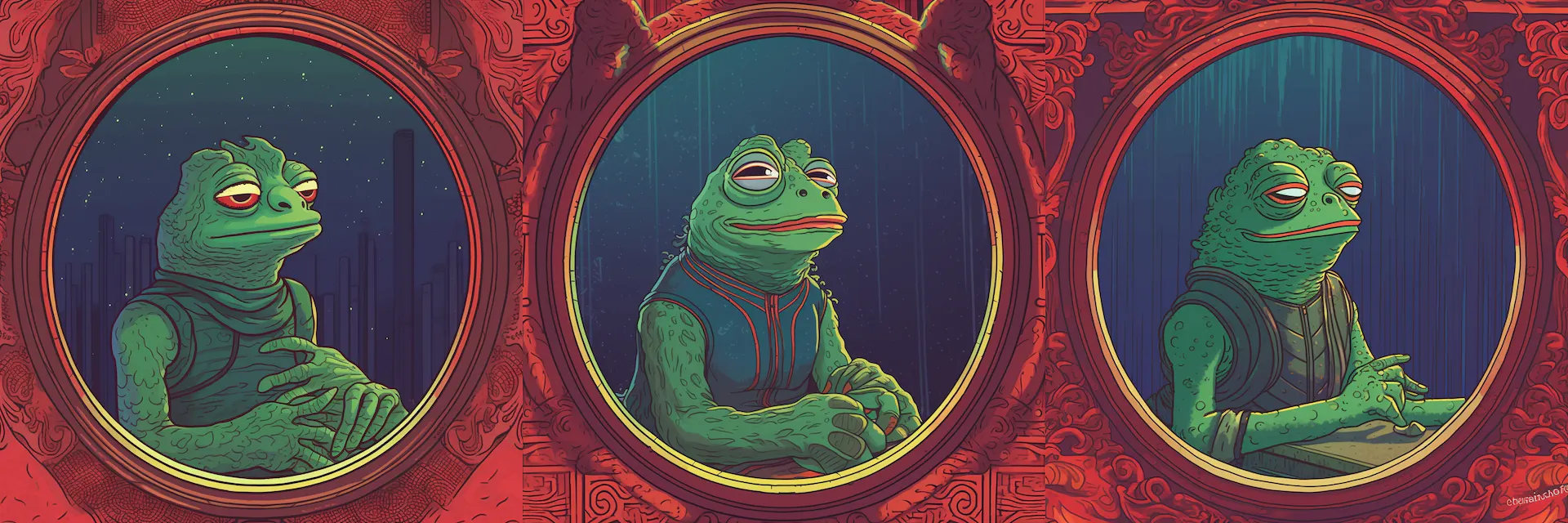
In a conversation with Refik Anadol at the recent Global Art Forum, Hans-Ulrich Obrist observed: "Artworks are fundamentally changing. They are becoming infinite." Anyone who has played with a GAN can attest to this. The image as a final result has made way for the image as a process. In generative technology, every image is a mere stepping stone to its next iteration. But is this also true in a sociological sense? Think of how market forces drive image-making on Instagram: Every "successful" page looks the same, the norm for the image style-du-jour is distilled in hyperspeed and gets widely distributed within days if not hours. Ranking algorithms make it almost impossible to break out of commonly accepted visual conventions. This great middening has doubtlessly changed our perception of the image as a carrier of information. The image's final result carries less meaning than the process the image lives through. Proof in point: Pepe the Frog stumbled through comics, artworks, politics, social unrest, and cryptocurrencies. A pretty epic journey for a stoner frog.
Artworks, of course, were never static. Their meaning continuously evolved through their changing context. However, I suspect that in the future, many artworks will not only evolve through context, but the much-loathed word "content" as well. Take Beeple's HUMAN ONE for example: Its juxtaposition with Francis Bacon's Study for Portrait IX at Castello di Rivoli illustrates this point very well. Both depict a subject of their time. In Bacon's study, we're looking at a man after the Second World War, stripped of his agency, sitting in the box that is his mental prison, contemplating the horrors of what just had happened. With no hands and no feet, he is clearly not going anywhere and is damned to stay put. HUMAN ONE, on the other hand, moves about. As the Metaverse's first native, they walk at a steady pace through an ever-changing environment. Yet they stand still in physical space, subject to the whims of the artist who put them in the box and the curators that placed the box at a specific place in the museum. Both are prisoners of their time: one of WWII, the other of the Metaverse. The difference is that the latter will keep expanding.
While Bacon's study categorically remains Bacon's study, HUMAN ONE promises to be HUMAN ONE only conditionally, as was experienced at the opening of its second museum show, at M+ in Hong Kong. There the explorer was, in the same shiny metal box as in Castello, but something about them was different. The clothes had slightly changed, and the backdrop was a new one. The darkness of the Ukraine war had made space for colorful flower arrangements, sprouting like springtime on steroids. The environment got more abstract, flowers morphed into fireworks, fireworks morphed into planets, and planets decayed into the abyss. HUMAN ONE's environment went from harsh realism to speculative adventure. The explorer itself had altered too. Their clothes were slightly different, the backpack changed, a Castello di Rivoli patch appeared on it, akin to a sticker you brought home from your last vacation. The figure was aging! I couldn't help but think, how would the world be different had Mona Lisa aged, rather than being frozen in time? What once was meant to be preserved, is now meant to evolve. The time of the completed artwork might just have come to an end.
Great art is always a reflection of its time and raises fundamental questions about the human condition through the lens of its era. The internet has shaped contemporary culture beyond many people's wildest imaginations. Our offline lives, much like the politics of our time, have become completely memeified. The comical nature of contemporary fashion (MSCHF boots, Loewe's Minnie Pumps, the style of every Berlin-based techno aficionado below the age of 30) is just one example to prove a point. Online many of us conduct ourselves like a brand. Shumon Basar speaks about the everlasting present, as we're stuck in an ongoing bombardment of content and likes and there is no escaping the attention economy. Many find it hard to remember anything that dates back further than 2007 when the iPhone went public and "today" was unleashed. How could art-making not reflect that?
If the completed artwork is passé, is the age of the infinite artwork dawning? Maybe. In the competition for attention, infinite artworks will command more attention than finite artworks. Refik Anadol's Machine Hallucinations at MoMA has broken every record and has been extended multiple times. Just like TV cannot compete with TikTok, a painting cannot compete with the process of painting. Narratives are not final anymore, they are but a stepping stone to the next chapter (Hello Louvre Cinematic Universe). And so are each iteration of Machine Hallucinations or HUMAN ONE. The former will have to change alongside the evolution of MoMA's collection; the latter will evolve one exhibition at a time. Both promise to be infinite. Given the advent of contemporary generative technology, finalizing an image might have become impossible anyway.
Predictive Institutions
Presentation.
Global Art Forum Dubai, 2023
Present Digital
Panel moderation.
Global Art Forum Dubai, 2023
Matt McClune
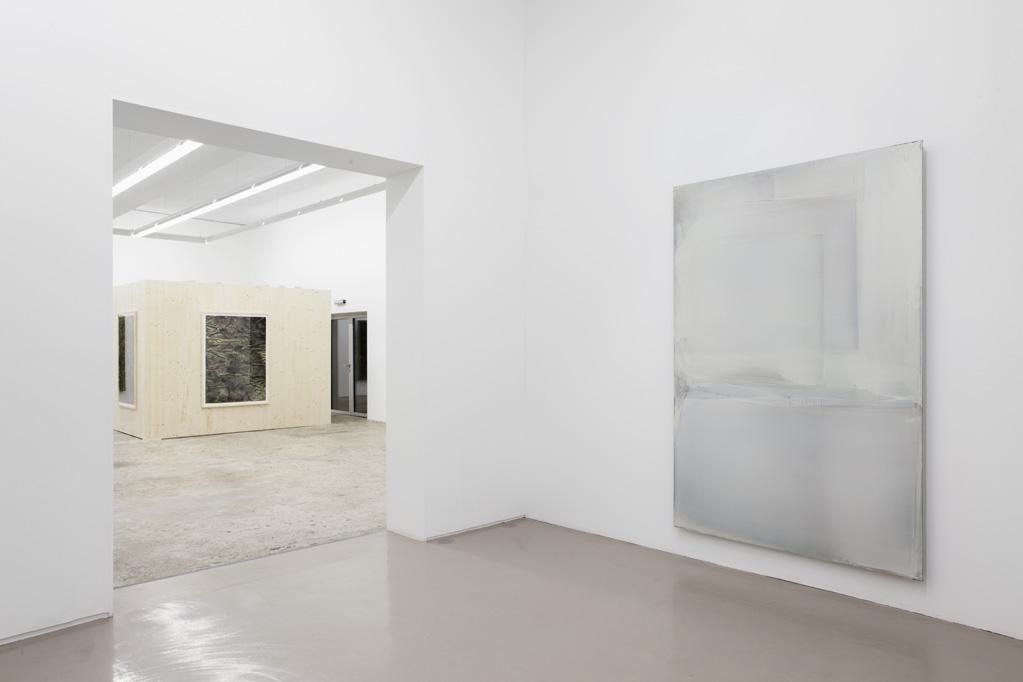
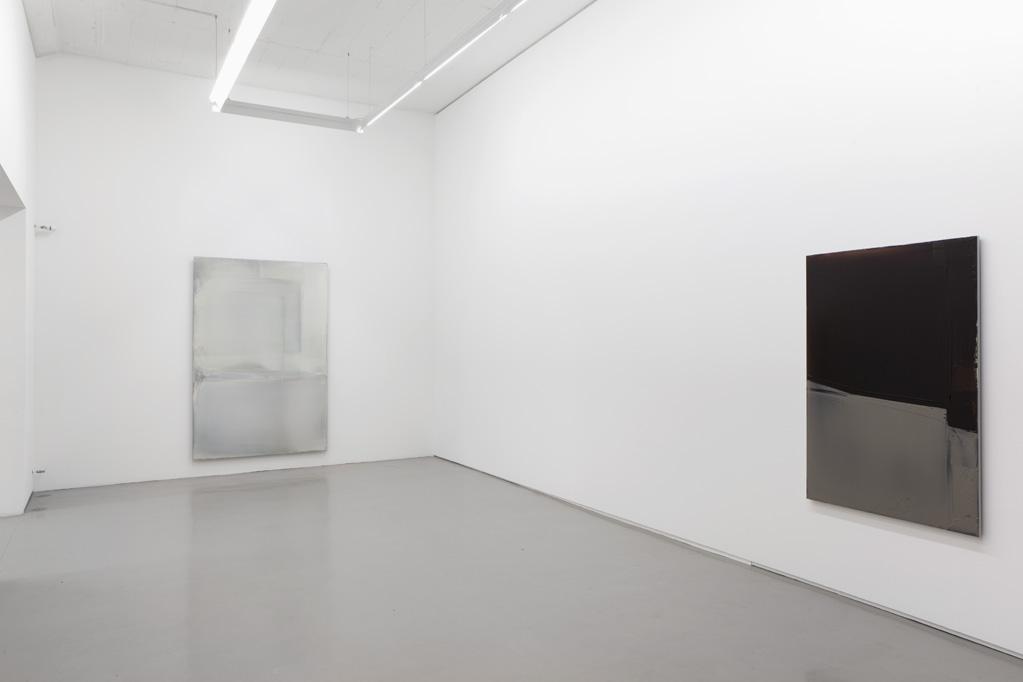
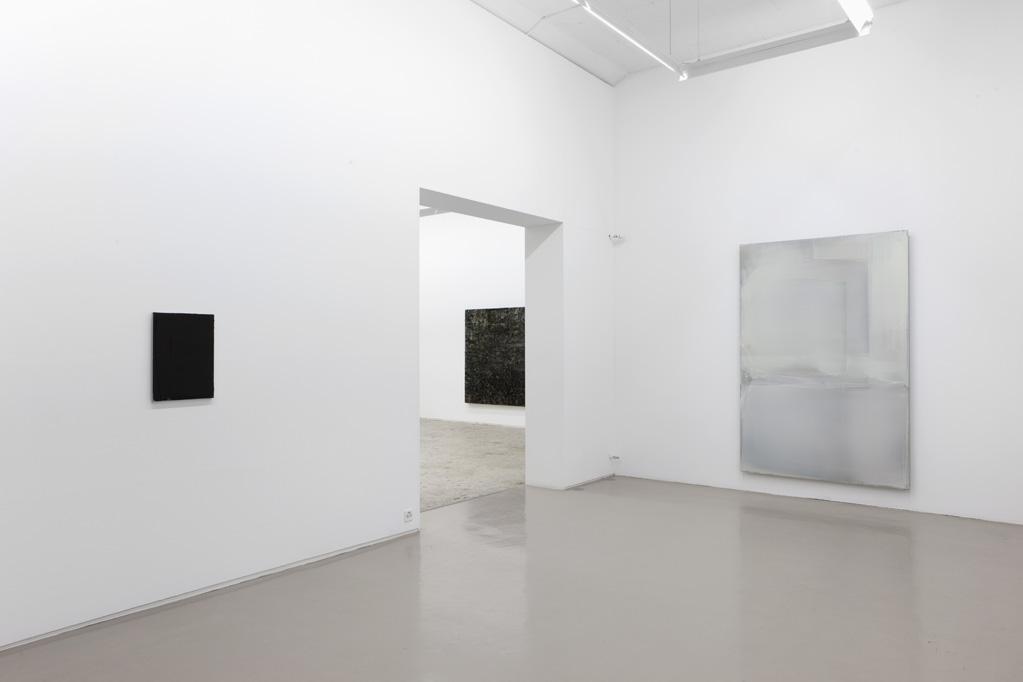
In 2013 I curated a solo presentation by Matt McClune in Galerie Mark Müller's project space alongside Patrick Rohner's Realgar.